If you’ve followed this series, you now know Korean stews, street food, fried chicken, and desserts. This post is the destination: one master roundup table of the dishes worth trying, organized so you can pick what fits your mood and your spice tolerance — and actually eat well, not just survive the menu.
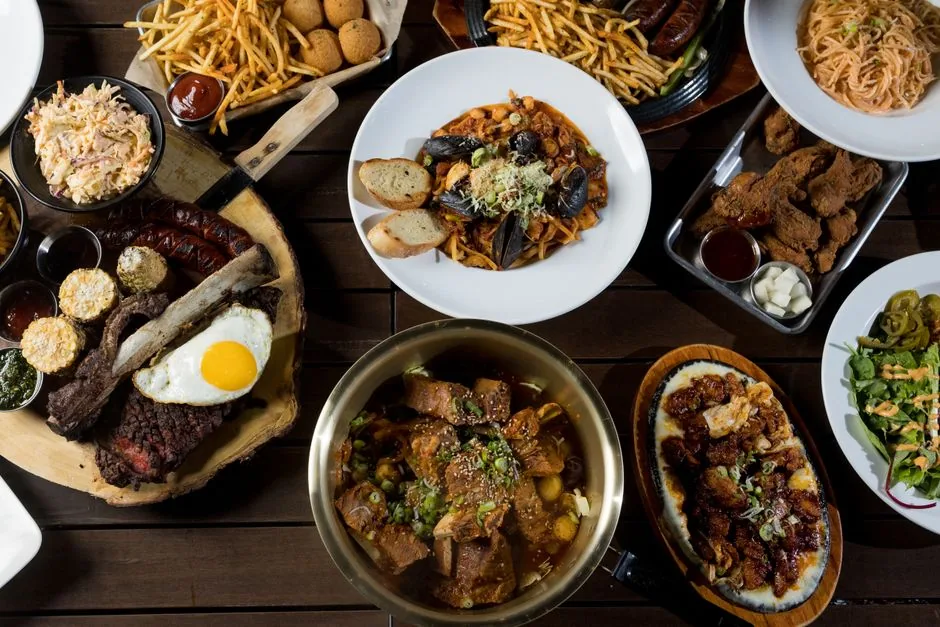
Korean food has a reputation for being intimidating, and I understand why. Walk into a restaurant and the menu looks like a wall. But after four posts of this series, you’re not walking in cold anymore. You know what tteokbokki is, why kimchi-jjigae is everybody’s weeknight comfort, what “banban” means when you’re ordering fried chicken. This roundup is just putting it all in one place.
The master dish table
One table, all the key dishes, so you can scan and pick. “Try if you like…” is my shorthand — not a rule, just a pointer to whether this dish will feel familiar or new for you.
| Dish | What it is | Try if you like… | Spice? |
|---|---|---|---|
| Bulgogi | Thin sliced beef in soy-sesame-pear marinade, sweet and savory | Any kind of sweet, savory grilled meat | None |
| Bibimbap | Rice bowl with vegetables, egg, beef, chili paste on the side | Rice bowls, control over your own spice | You decide (mix in what you want) |
| Japchae | Sweet potato glass noodles stir-fried with veg and beef | Noodle dishes, mild and slightly sweet flavors | None |
| Samgyeopsal (Korean BBQ) | Grilled pork belly, eaten in lettuce wraps with ssamjang paste | BBQ, hands-on meals, dining with friends | None (you control the paste) |
| Galbi (Korean BBQ) | Marinated beef short rib, slightly sweet | A richer, fancier cut than pork belly | None |
| Kimchi-jjigae | Thick stew of aged kimchi, pork, and tofu | Sour, deep comfort food; think hearty tomato soup vibes | Medium |
| Sundubu-jjigae | Silky soft tofu stew, egg cracked in at the table | Gentle, cozy, warming | Mild-medium |
| Doenjang-jjigae | Fermented soybean paste stew with tofu and veg | Miso soup — this is bolder and deeper | None |
| Samgyetang | Whole young chicken stuffed with rice and ginseng in clear broth | Comforting clear soups, restorative eating | None |
| Tteokbokki | Chewy rice cakes in sweet-and-spicy red sauce | Rice cake textures, sweet-and-spicy flavors | Medium-high |
| Rose tteokbokki | Same rice cakes, cream added to the sauce, turns pink and mild | You like the idea of tteokbokki but want it gentler | Low |
| Gimbap | Seaweed rice rolls with fillings, portable and cheap | Sushi rolls, on-the-go snacks | None |
| Korean corn dog | Battered hot dog with mozzarella, sometimes potato or ramen crust | Cheesy, fried, fun snacks | None |
| Hotteok | Chewy pancake fried until crisp, filled with brown sugar and cinnamon | Warm dessert pastries, cinnamon flavors | None |
| Korean fried chicken (yangnyeom) | Double-fried, coated in sweet-spicy red glaze | Sweet-and-spicy saucy wings | Medium |
| Korean fried chicken (ganjang) | Double-fried, soy-garlic glaze, glossy and savory | Garlic chicken, no heat wanted | None |
| Bingsu | Mountain of shaved milk-ice with toppings (red bean, mango, or more) | Shaved ice desserts, sharing something big | None |
| Yakgwa | Chewy honey-and-sesame cookie, traditional Korean sweet | Slightly nutty, not-too-sweet traditional baked goods | None |
| Budae-jjigae | ”Army stew” — kimchi broth with sausage, ramen, baked beans | Hearty, chaotic, crowd-feeding dishes | Medium |
How to use this table
Scan the “try if you like” column and find something you already know you like. That’s your entry point. Then go one step sideways — if you enjoy bulgogi, try galbi next. If you liked soy-garlic chicken, yangnyeom is a half-step more adventurous.
The “none” dishes are genuinely mild. If you’re at zero spice tolerance, your starting lineup is: bulgogi, japchae, samgyeopsal, galbi, samgyetang, doenjang-jjigae, gimbap, ganjang fried chicken, bingsu. That’s nine dishes before you even need to think about heat.
When you’re ready to test spice: rose tteokbokki first (mild), then sundubu-jjigae (gentle), then kimchi-jjigae (proper heat), then classic tteokbokki. That’s a natural ladder that’ll take you a few visits to climb without any suffering.
My honest starting order
If someone asked me right now where to send a total newcomer for a first Korean meal, I’d say: bulgogi or samgyeopsal as the main, rice, japchae on the side, and a small bowl of kimchi-jjigae to share with the table. Order the ganjang fried chicken if the group wants a second thing. Finish with bingsu if it’s warm out, hotteok from a street stall if it’s cold. That’s a complete Korean food experience in one sitting.
The posts behind this table
Each of these dishes has its own fuller write-up in the series:
- Stews (kimchi-jjigae, sundubu, doenjang-jjigae, samgyetang, budae-jjigae): Korean stews explained
- Street food (tteokbokki, gimbap, corn dog, hotteok): Korean street food guide
- Fried chicken (yangnyeom, ganjang, banban, chimaek): Korean fried chicken guide
- Desserts (bingsu, hotteok, yakgwa, cafe trends): Korean desserts guide
And if you want to know how to actually sit down and order these things without any awkwardness, start at Korean food for beginners.
A note on what you might not like immediately
Not everyone loves kimchi the first time. Not everyone gets tteokbokki’s bouncy texture on the first bite. That’s fine — Korean food, like any cuisine, has a learning curve of taste. The tip that actually worked for me: don’t make your whole meal the unfamiliar thing. Order one new dish per visit, let the banchan fill in the rest, and come back often enough that things start to click. By visit three or four, you’ll have opinions. Strong ones.
Korean food rewards the repeat customer more than almost any other cuisine I know. The more you go, the more you understand what you actually want — and that’s when it really gets good.
For a useful external reference on spice levels and regional Korean dishes, Wikipedia’s Korean cuisine overview gives a solid wider map once you’ve got the basics.
FAQ
Which Korean dish is best for someone who hates spicy food? Bulgogi, japchae, samgyeopsal, galbi, ganjang fried chicken, and bingsu are all completely mild. Doenjang-jjigae and samgyetang have zero chili. You have a lot of options.
What’s the difference between all the Korean fried chicken sauces? Yangnyeom is the classic sweet-and-spicy red glaze — medium heat, leans sweet. Ganjang (soy-garlic) is savory with no heat. If you can’t choose, order banban (half and half). The full flavor breakdown is in the Korean fried chicken guide.
What Korean dish should I try at a street market? Tteokbokki is the classic first pick — chewy, warming, very Korean. If the heat worries you, ask for rose tteokbokki. Gimbap and corn dogs are easy, mild, and always good. Full list is in the Korean street food guide.
Are Korean desserts very sweet? Less than you might expect. Bingsu and traditional sweets like yakgwa tend to be restrained in sweetness — the flavors lean nutty, milky, or lightly sweet rather than sugary. More detail in the Korean desserts guide.
About the author — Jae is a Seoul-based writer at K-Culture Log, helping newcomers get into Korean culture without the overwhelm.