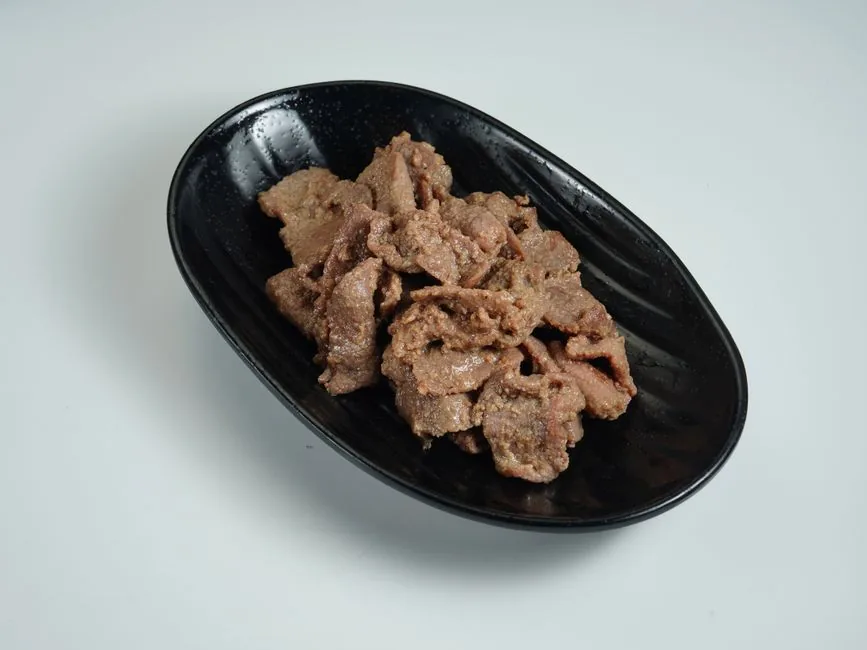
Bulgogi is thinly sliced beef marinated in a sweet-savory soy sauce, then grilled or pan-cooked until tender and a little caramelized. It’s one of Korea’s most famous dishes for a reason: it’s not spicy, it’s deeply flavorful, and it wins over almost everyone on the first bite. If a friend tells me they’re nervous about Korean food, this is the dish I steer them toward — it’s never once let me down as a gateway.
What bulgogi actually is
The name means roughly “fire meat.” Thin slices of beef (often sirloin or rib-eye) are soaked in a marinade built on soy sauce, sugar, garlic, sesame oil, and grated pear or onion, which tenderizes the meat and gives it that signature glossy, sweet-savory taste. It’s then cooked quickly over a grill or in a hot pan, sometimes with onions and scallions. As Wikipedia notes, it’s one of Korea’s best-known beef dishes and a staple of Korean BBQ.
The flavor is the opposite of intimidating: savory, a little sweet, garlicky, with no chili heat by default. That’s exactly why it’s such a friendly entry point.
Bulgogi vs galbi vs samgyeopsal
People mix these up, so here’s the quick map:
- Bulgogi — thin, marinated beef, sweet-savory. Tender and mild.
- Galbi — beef short ribs, often marinated similarly but a meatier cut.
- Samgyeopsal — thick pork belly, usually unmarinated, grilled and dipped. A different experience entirely.
If you’re learning the grill culture, pair this with how to eat Korean BBQ.
How to eat it
Bulgogi is endlessly flexible:
- In a lettuce wrap (ssam): tuck meat, rice, and a dab of ssamjang into a lettuce leaf and eat in one bite.
- Over rice: the marinade doubles as a sauce — a bulgogi rice bowl is hard to beat.
- With banchan: the side dishes and kimchi cut the sweetness nicely (more on kimchi).
It’s also a great dish for sharing, which is half of why Korean meals feel so social.
Regional styles and beyond
Bulgogi isn’t one fixed recipe — it bends to the region and the cook. Seoul-style is often made with a little broth, so there’s a savory-sweet sauce to spoon over rice, sometimes served bubbling in a shallow pan with glass noodles (dangmyeon), mushrooms, and vegetables. Gwangyang-style skips the broth and grills the marinated beef over a screen for a smokier, more caramelized bite. There’s even a spicy pork cousin, dwaeji bulgogi — the exception to the no-heat rule, for when you want a kick.
And because the marinade is so crowd-pleasing, bulgogi has escaped the dinner table entirely: you’ll find bulgogi burgers, bulgogi kimbap, bulgogi rice bowls at convenience stores, even bulgogi pizza. That versatility is a big part of why it became one of Korea’s most globally recognized dishes. If you try just one version first, classic beef bulgogi is the benchmark everything else riffs on.
Why it’s the perfect first Korean dish
I’ve watched the most cautious eaters relax the moment bulgogi hits the table — it’s familiar enough (grilled beef, a savory glaze) to feel safe, but distinctly Korean in its sweet-garlicky depth. There’s no spice to brace for, no unfamiliar texture to get past. For anyone building their list of must-try Korean dishes or just starting with Korean food for beginners, bulgogi is the gentlest, most reliable place to begin. It’s also genuinely old — versions of marinated, grilled beef trace back centuries in Korean cooking — so you’re tasting something with deep roots, not a modern invention. That blend of history and easy approachability is rare, and it’s a big reason bulgogi appears on practically every Korean restaurant menu abroad, usually as the very first thing newcomers order.
FAQ
What does bulgogi taste like? Sweet and savory with a garlicky, sesame depth — tender grilled beef in a soy-based marinade. It’s not spicy by default, which makes it very approachable.
Is bulgogi spicy? No, the classic version isn’t. Some restaurants offer a spicy variation, but standard bulgogi is mild and sweet-savory.
What’s the difference between bulgogi and galbi? Bulgogi is thin marinated beef that’s tender and mild; galbi is beef short ribs, a meatier cut. Both can be marinated, but the cut and texture differ.
How do Koreans eat bulgogi? Often wrapped in lettuce with rice and sauce (ssam), served over rice as a bowl, or shared at the table with banchan and kimchi.
More to explore: how to eat Korean BBQ, must-try Korean dishes, and Korean food for beginners. More in the K-Food section.
About the author — Jae is a Seoul-based writer at K-Culture Log, helping newcomers get into Korean culture without the overwhelm.