Korea is wonderfully easy to visit, and nobody expects a foreigner to know every custom. But a handful of small habits will make you feel at home faster and earn quiet appreciation from the people around you. None of this is hard — it’s mostly about attention and respect. Read this series and you’ll handle everyday etiquette and dining manners in Korea like you’ve done it before. (For more on Korean culture, the everyday version is below.)
Greetings and respect
A small nod or short bow is the everyday greeting — you don’t need a deep formal bow for casual interactions. For someone older or in a professional setting, a slightly deeper nod is polite. If you shake hands, a soft handshake, often with a light touch of the other hand on your forearm, reads as warm and respectful.
The golden habit: give and receive things with two hands — money at a shop, a business card, a gift, a drink. One hand can read as careless, especially with someone older. It’s a tiny gesture that signals a lot. (I’ve watched visitors do this instinctively after being told once, and the warmth it earns from locals is immediate — genuinely one of the fastest ways to feel less like a tourist.)
Age shapes a surprising amount of social life here. You don’t need to track it perfectly, but a little extra deference toward older people is always the safe move.
Shoes off
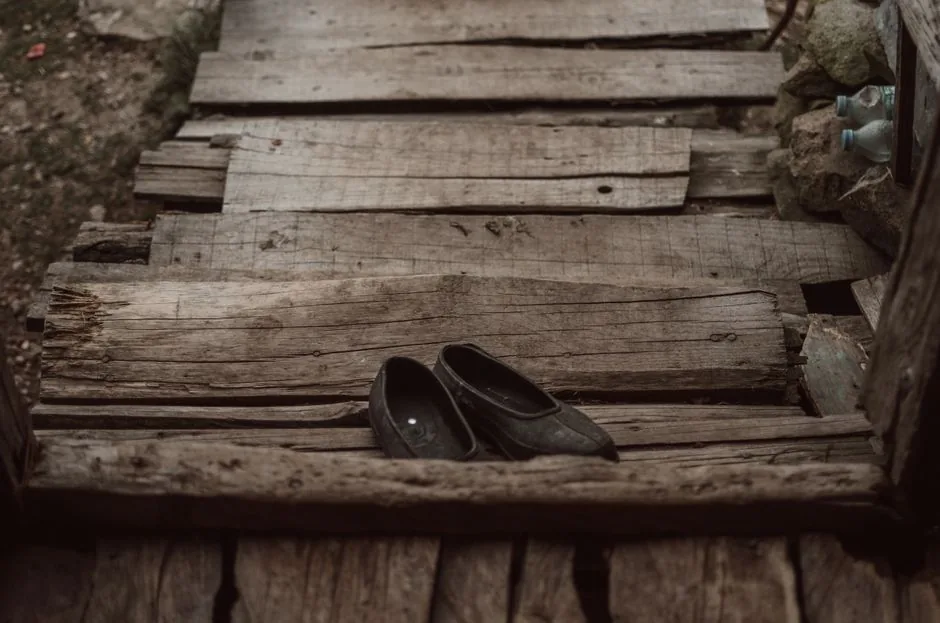
Take your shoes off when entering any home, and also many guesthouses, temples, traditional restaurants with floor seating, and some cafes. Look for a step up, a shoe rack, or a row of slippers near the entrance — that’s your cue. Walking in with shoes on is one of the most noticeable mistakes a visitor can make, so when in doubt, glance down at what everyone else did.
Public manners
Koreans tend to keep it quiet in public — on the subway, in buses, in elevators. Loud conversation (or a loud phone call) stands out fast. Keep your volume low and you’ll blend right in. On public transit, leave the clearly marked priority seats for elderly, pregnant, or disabled passengers, even if the train is empty; they’re respected as off-limits.
A few things to avoid
- Don’t stick your chopsticks upright in a bowl of rice — it resembles a funeral ritual and reads as bad luck. Rest them on the table or a holder.
- Don’t write someone’s name in red ink — red is associated with death in Korean tradition.
- Don’t blow your nose at the dining table; step away if you need to.
No tipping
Tipping isn’t customary in Korea, in restaurants, taxis, or cafes. Service is included, and leaving cash usually just causes confusion. You’ll find more on this in the guide to ordering at a Korean restaurant.
Effort beats perfection
Here’s the reassuring part — and I mean this, not just as a nice thing to say: Koreans genuinely don’t expect visitors to get everything right. Learning a couple of phrases — annyeonghaseyo (hello), gamsahamnida (thank you) — and showing you’re paying attention counts for far more than flawless etiquette. People notice the effort, not the slip-ups. Relax, watch what locals do, and follow along.
In homes, shops, and on the move
A few more everyday situations where small habits help:
- Visiting a home. Bring a small gift — fruit, a treat, coffee — and offer it with both hands. Shoes off at the door, of course, and slippers are often waiting for you.
- Shops and convenience stores. Money and cards are passed with two hands or placed on the little tray by the register; staff will do the same handing back your change. A quick gamsahamnida on the way out is always welcome.
- Taxis. Sitting in the back is normal and fine; you don’t need to ride up front. Have your destination written in Korean or dropped on a map app to make it easy.
- Escalators and queues. People generally stand to one side on escalators and line up patiently — just follow the flow around you.
- Public transit. Beyond keeping quiet, avoid eating smelly food on the subway, and give up your seat for elderly or pregnant passengers even outside the priority seats.
None of this requires memorizing. Watch what locals around you are doing and mirror it — that single habit covers ninety percent of situations a guidebook would list.
🙋 Speaking from experience
Having hosted a fair few friends visiting Korea, I can tell you the ones who relax fastest aren’t the ones who memorized a rules list — they’re the ones who just watched the room. I had a friend freeze at my front door, terrified of doing the shoe thing wrong; I told him to glance down, see the pile of shoes and the raised floor, and copy it. Sorted in two seconds. Koreans genuinely don’t expect visitors to know everything, and a quick “is this okay?” plus a willingness to mirror what everyone else is doing buys you infinite goodwill. Effort reads louder than perfection.
FAQ
Do I need to bow in Korea? A small nod or light bow is normal for greetings; deep formal bows aren’t needed for casual situations. Two-handed giving and receiving matters more day to day.
When do I take my shoes off? Always in homes, and usually in guesthouses, temples, and floor-seating restaurants. Look for a step up or a shoe rack at the entrance.
Is tipping expected in Korea? No. Tipping isn’t part of Korean culture in restaurants, taxis, or cafes, and service is already included.
Will I offend people easily as a tourist? Unlikely. Koreans don’t expect visitors to know every rule and appreciate effort over perfection — a little attention goes a long way.
Eating out? Pair this with how to order at a Korean restaurant.
About the author — Jae is a Seoul-based writer at K-Culture Log, helping newcomers get into Korean culture without the overwhelm.