Getting around Korea as a tourist comes down to three things: one transit card, the right map app, and knowing the basic tap-in/tap-out rhythm. Do those, and a country with one of the world’s best public transport systems opens up — clean subways, punctual trains, cheap buses, and easy taxis, almost all payable with a single tap. Here’s the practical setup, in the order you’ll need it from the moment you land.
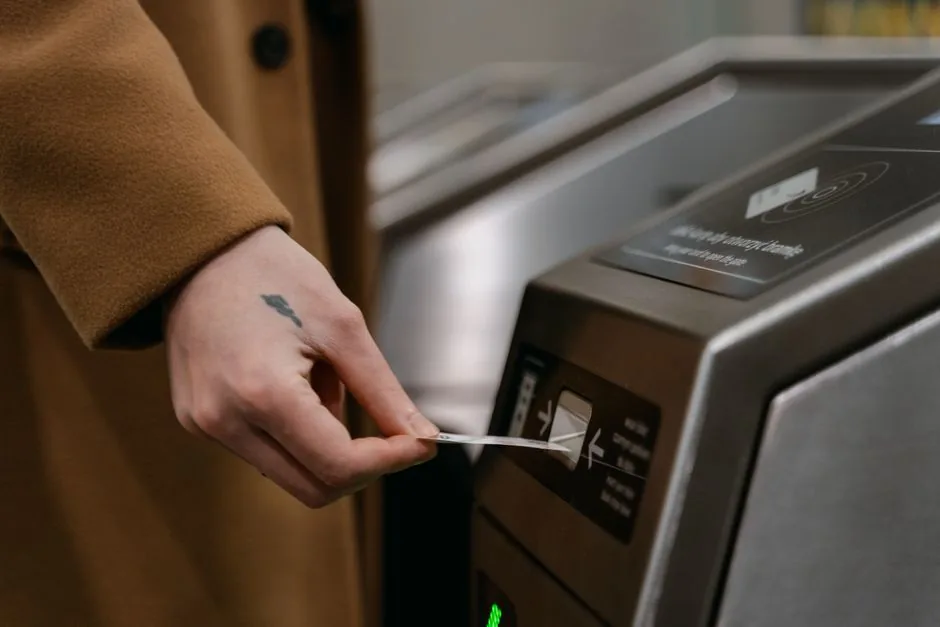
Step one: get a transit card
The backbone of Korean travel is a rechargeable transit card, and you have a few options worth knowing.
| Card | Best for | Notes |
|---|---|---|
| T-money | Almost everyone | Card fee ~₩2,500–₩4,000 at any convenience store; load cash and tap. Works on subway, buses, many taxis, and even convenience-store purchases nationwide. |
| Seoul Climate Card | Heavy Seoul sightseeing | Tourist pass with unlimited subway + bus from ~₩5,000/day. As of March 2026, you can top it up with international cards at station kiosks. |
| WOWPASS | Foreigners wanting all-in-one | Hybrid that combines a prepaid debit card with T-money transit, and lets you exchange currency at its machines. |
For a first trip, a plain T-money card works everywhere and is the simplest choice; add the Climate Card only if you’ll be hammering Seoul’s subway and buses all day. These details and prices come from the 2026 Seoul transport guides.
Step two: download the right map app
This is the one that surprises everyone: Google Maps cannot give walking or transit directions inside Korea, because of local mapping-data rules. So before you land, install Naver Map or KakaoMap — both free, both in English. As the transport guides note, Naver Map will even tell you which subway car to board for the fastest transfer, while KakaoMap integrates directly with Kakao T, the country’s main taxi app, so you can switch from “take the subway” to “book a cab” without leaving it.
Round out your phone with Papago for translation, and you’re equipped for almost any situation.
Step three: ride the subway
Seoul’s subway is the easiest big-city metro I know, and the routine is the same everywhere:
- Tap in at the gate with your card.
- Follow the color-coded lines and numbered stations (your map app gives you the line color and exit number).
- Tap out at your destination gate.
That last step matters: always tap out, even on the subway, or you can lose transfer discounts and mess up an unlimited pass, per the 2026 guidance. Transfers between subway and bus within a time window are discounted automatically when you tap consistently. Pay attention to the exit numbers — big stations have many exits, and choosing the right one saves a long detour.
Buses, taxis, and intercity travel
City buses take the same T-money tap (board front, tap; tap again when you exit). They’re great for short hops the subway doesn’t cover.
Taxis are affordable and metered. Hail one or, far easier, book through Kakao T — you can set your destination in the app so there’s no language barrier, and pay by card or registered payment. Sitting in the back is normal, and remember there’s no tipping.
For traveling between cities, the KTX high-speed train is the star: Seoul to Busan in roughly two and a half hours. Book via the Korail app or website, or at the station; reserve ahead in peak seasons. Express intercity buses are a cheaper alternative and reach places trains don’t.
From the airport into the city
Landing at Incheon, you’ve got three clean options: the AREX train (the all-stop line is inexpensive and reliable into Seoul Station), airport limousine buses that drop near major hotels (pay with T-money), or a taxi/Kakao T for door-to-door if you’ve got luggage and a later arrival. Grab your T-money card and a tourist SIM/eSIM at the airport first, and you can ride straight in.
The mental model
Here’s the whole system in one breath: one card to tap, one app to navigate, tap in and tap out. Once that clicks — usually by your second subway ride — you stop thinking about transport entirely and just go. It’s genuinely part of what makes Korea such a relaxing place to travel.
With movement handled, the only things left are the small social customs that make daily interactions smooth. Those come next.
🙋 Speaking from experience
A friend visiting from abroad was genuinely nervous about the Seoul subway — convinced a system that big had to be confusing, and defaulting to expensive taxis for the first two days. I finally sat with him, loaded a maps app, put a T-money card in his hand, and sent him one stop on his own. He came back grinning. By that evening he was navigating transfers I’d never even used. That’s the thing I always tell people: Korean public transport looks intimidating and is actually one of the easiest, cheapest, most tourist-friendly in the world. One card, one app, tap in and out. Trust it early and you’ll save a small fortune in taxi fares.
FAQ
What transit card should a tourist buy in Korea? A T-money card is the simplest and works nationwide on subways, buses, and many taxis. If you’re sightseeing heavily in Seoul, the Climate Card adds unlimited rides for a daily price; WOWPASS combines transit with a prepaid debit card.
Why doesn’t Google Maps work for directions in Korea? Local regulations limit Google’s mapping data, so it can’t provide walking or transit routing inside Korea. Use Naver Map or KakaoMap instead — both are free and available in English.
Do I need to tap out on the subway and bus? Yes. Tap in when you enter and tap out when you leave, on both subway and bus. It secures transfer discounts and keeps passes working correctly.
How do I get from Incheon Airport to Seoul? The AREX train, airport limousine buses, or a taxi/Kakao T all work. The AREX all-stop train is cheap and reliable; buses drop near major hotels; taxis are easiest with heavy luggage.
Next in the series: everyday etiquette in Korea. Or revisit the first-timer’s guide. More in the Travel section.
About the author — Jae is a Seoul-based writer at K-Culture Log, helping newcomers get into Korean culture without the overwhelm.