You’ve noticed it in K-dramas and idol street-style photos: Korean fashion has a look. Clean lines, smart layering, and a quiet confidence that rarely shouts with big logos. If you want to explore Korean fashion brands but don’t know where to begin, here’s a beginner-friendly map of the main styles, how the brands work, and what to know before you buy.
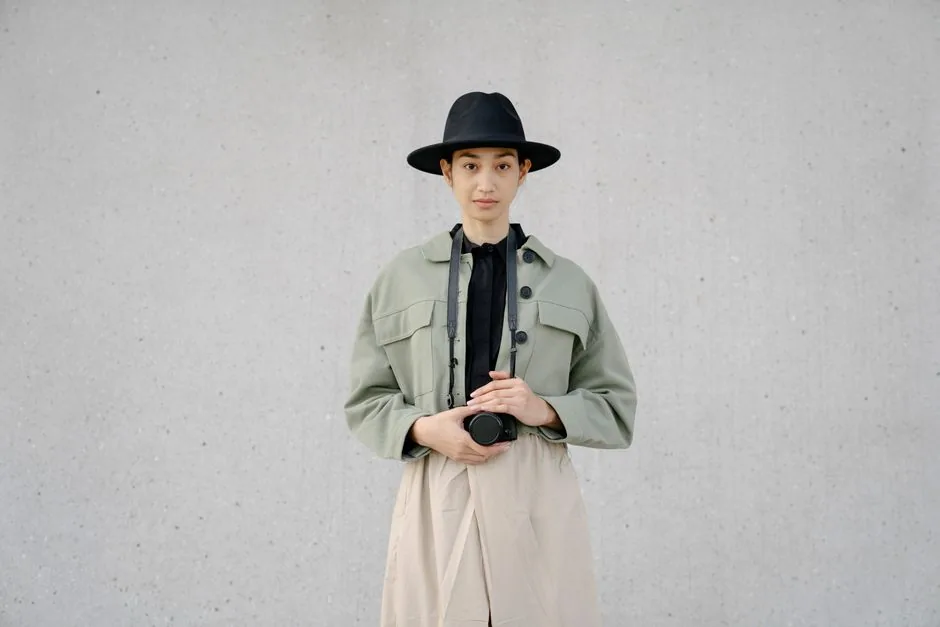
What makes K-fashion feel “Korean”
Before brand names, it helps to understand the aesthetic, because it explains everything else:
- Fit over flash. Korean style leans on silhouette, proportion, and layering rather than loud branding.
- Clean and considered. Even casual outfits tend to look put-together — neutral palettes, tidy tailoring, thoughtful details.
- Trend-fast. Korea’s fashion cycle moves quickly, and a lot of brands are online-first, dropping new pieces constantly.
Once you see K-fashion as “fit and layering first,” the brands start to make sense.
The main categories of Korean fashion brands
Rather than memorizing a hundred names, sort them into buckets:
- Everyday / minimal basics — brands built around well-cut staples, neutral colors, and layering pieces. This is the backbone of the “clean Korean look.”
- Streetwear — bolder, youth-driven labels with graphic and oversized pieces, often tied to the same energy as K-pop style.
- Contemporary designer — Korean designers who show at fashion weeks and lean more editorial and high-concept.
- K-pop-adjacent — labels that idols and their stylists popularize, which fans then seek out.
You don’t need all four. Pick the bucket that matches your taste and start there.
What to know before you buy
A few practical things that trip up newcomers:
- Sizing often runs small by Western standards — check measurements, not just S/M/L.
- Many brands are online-first, sometimes Korean-language sites; global marketplaces and multi-brand retailers make them easier to reach.
- Layering pieces are the best entry point — a good outer layer or a clean knit does more work than a statement item.
🙋 Speaking from experience
Here’s my honest take, from playing “personal shopper” for foreign friends more than once. The first time a friend asked me to help them “dress more Korean,” they went straight for the loudest, most logo-heavy stuff — and it looked like a costume. What actually worked was the opposite: a well-fitting neutral layer, trousers that sat right, clean shoes. Suddenly it read as style, not cosplay. That’s the thing I wish more beginners knew — K-fashion isn’t a specific brand you buy, it’s a way of putting pieces together. Start with fit and layering from any decent brand in your budget, and you’ll look the part long before you can name-drop labels. Don’t let the online-only, Korean-language storefronts intimidate you either; there’s always a friendlier way in through multi-brand shops.
FAQ
What are Korean fashion brands known for? A clean, fit-focused aesthetic — smart layering, neutral palettes, and tidy tailoring rather than big logos. The cycle is fast and many brands are online-first.
How do I start with K-fashion as a beginner? Pick a category that matches your taste (minimal basics, streetwear, designer, or K-pop-adjacent) and start with layering pieces and good fit rather than statement items.
Does Korean clothing sizing run small? Often yes, by Western standards. Check the actual measurements rather than relying on S/M/L labels.
Where can I buy Korean fashion brands outside Korea? Many are online-first; global marketplaces and multi-brand retailers stock a lot of Korean labels and make international shipping easier.
Want the wider style world? See K-beauty ingredients decoded and the Korean skincare routine for the grooming side, and getting into K-pop for the culture driving a lot of the trends. Background: K-fashion on Wikipedia.
About the author — Jae is a Seoul-based writer at K-Culture Log, helping newcomers enjoy Korean culture without gatekeeping — explaining not just what Koreans do, but why.