Building a Korean skincare routine in 2026 does not require ten steps, a shelf full of products, or starting over from scratch. You need a clear AM/PM plan, the right two or three products to begin with, and a sensible way to add steps when you’re ready. That’s what this post gives you — the destination after five posts of groundwork.
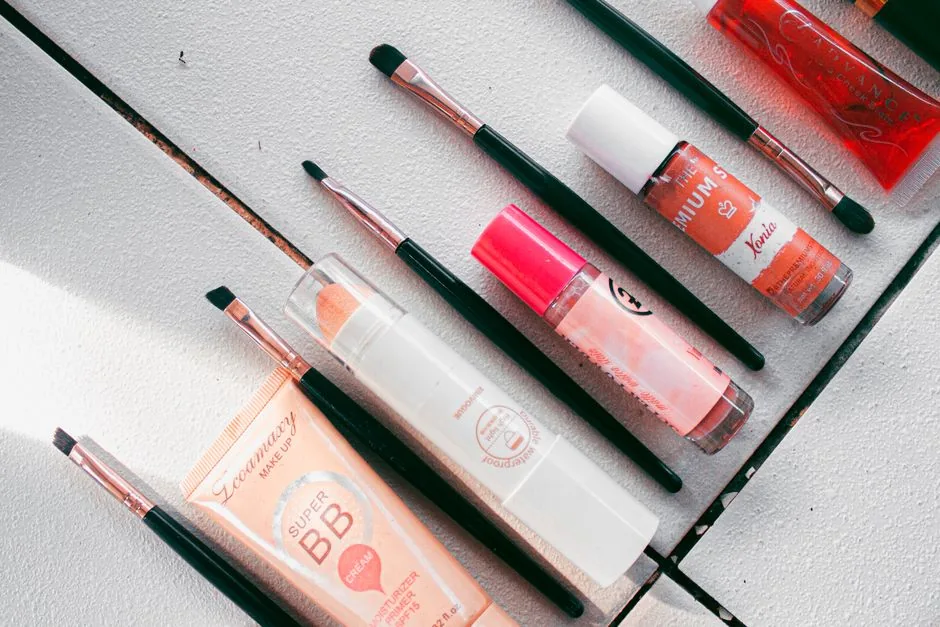
I spent a while doing Korean skincare wrong. Not because I didn’t care — I cared too much. I’d read about essences and serums and ampoules and PDRN all at once, and then pile everything on in the same week. My skin did not love it. The thing that actually worked was the opposite: strip back to the basics, do those consistently, and add one new step only when the previous one felt easy. Simple and boring and, annoyingly, effective. That experience is behind everything in this plan.
The series this plan comes from
Before the plan: a quick map of the five posts that led here.
- The Korean skincare routine in 2026 — the philosophy shift from ten steps to four or five, and why it happened
- Double cleansing explained — the one step Korea won’t give up, and why you need it if you wear SPF
- Essence vs serum vs ampoule — what each watery step does and which ones a beginner actually needs
- The Korean sunscreen guide — why Korean SPF feels lighter, what to look for, and how to use it correctly
- K-beauty ingredients decoded — PDRN, snail mucin, centella, ceramides — four ingredients, how to pick yours
Now the plan.
The AM/PM routine table
Start here. This is the baseline — the routine that suits almost any skin type and takes five minutes in the morning, seven at night.
| Step | AM | PM | Notes |
|---|---|---|---|
| 1. Cleanse | Gentle water-based cleanser (or just water if no sweat/SPF from sleep) | Oil cleanser first, then gentle water-based cleanser | Double cleanse at night only. Apply oil cleanser to dry hands and dry face. |
| 2. Essence | Pat in a watery essence | Pat in a watery essence | This is the signature Korean step — hydrates and preps skin for everything after. |
| 3. Treatment | Skip in the AM if you prefer (the SPF is the active job here) | One serum targeting your main concern | Don’t run multiple actives at the same time when you’re starting out. |
| 4. Moisturizer | Lightweight moisturizer or gel-cream | Slightly richer moisturizer | Both skin types can use the same product; dry skin goes heavier at night. |
| 5. Sunscreen | SPF50+ PA++++ — mandatory, last step | Skip | Apply roughly two finger-lengths for face and neck. This is the non-negotiable. |
That’s the full routine. Five steps in the morning, four at night. If five feels like too much at the start, drop the treatment serum from your evening routine and come back to it in a few weeks.
How to add steps gradually
Korean skincare’s actual genius is that it’s modular. You’re not supposed to run the whole thing at once. Here’s a sensible build order for someone starting from zero:
| Week | What to add | Why at this stage |
|---|---|---|
| Week 1–2 | Gentle cleanser + moisturizer + SPF (AM) | The foundation. Get this consistent before anything else. |
| Week 3–4 | Add evening double cleanse | Introduces the oil cleanser, which makes everything else work better by giving you a clean base. |
| Week 5–6 | Add essence (AM and PM) | Once cleansing is a habit, the essence goes in easily and you’ll notice the difference quickly. |
| Week 7–8 | Add one treatment serum (PM only) | Pick your main skin concern — choose one ingredient, one serum. |
| Week 9+ | Optional: add targeted actives (niacinamide, vitamin C, retinoid) | Only once your baseline is stable. Introduce one at a time, slowly. |
The rule I’d underline: one new product at a time. If you react to something, you’ll know exactly which product did it. Start three things in the same week and you’ll spend a month guessing.
Pick your ingredient for the treatment step
From the K-beauty ingredients post, match your main concern to one ingredient:
| Skin concern | Ingredient to look for |
|---|---|
| Tired, aging-feeling, loss of bounce | PDRN |
| General hydration and repair, easy start | Snail mucin |
| Redness, sensitivity, reactive skin | Centella (cica) |
| Dryness, tight or flaky skin, barrier damage | Ceramides |
Resist the urge to use all four. Pick the one that matches your biggest concern right now. The others can wait.
A note on sunscreen — the actual non-negotiable
Everything in the AM routine is useful. The SPF is the one that actually does the work long-term. Korean sunscreens in 2026 are light, serum-textured, and genuinely pleasant to wear — a far cry from the thick, greasy SPF a lot of people grew up tolerating. Look for SPF50+ with PA++++, which is the standard most Korean dermatologists recommend. Apply more than you think: two finger-lengths for face and neck. A thin smear doesn’t give you the protection on the label.
Full detail is in the Korean sunscreen guide.
Patch test and one active at a time — the safety note
Two habits that will save you a lot of trouble:
Patch test every new product. Dab a small amount on your inner arm or jaw for a few days before applying it all over your face. Even gentle-sounding ingredients can disagree with specific skin. This is especially true for anything with active ingredients — snail mucin, centella, and ceramides are low-risk, but PDRN, niacinamide, vitamin C, retinoids, and exfoliating acids all deserve a patch test. If you see redness, stinging, or irritation, stop that product and wait for your skin to settle before trying anything else.
One new active at a time. Introducing serums and treatments one by one isn’t overly cautious — it’s the only way to know what’s working and what isn’t. Korean skincare at its best is actually the simplest approach: a few right things done consistently, not a shelf of half-used bottles.
What the routine actually looks like in practice
Morning: rinse your face (gentle cleanser or just water), pat in the essence, put on a lightweight moisturizer, then a proper SPF layer. Done in five minutes. Evening: oil cleanser on dry skin, massage and rinse, then the water-based cleanser, then essence, then your serum, then moisturizer. Seven to eight minutes.
On nights when you’re tired: drop the serum and just double cleanse, essence, moisturize. That’s still most of the benefit with half the effort. Consistency over completeness — that’s the Korean skincare rule I’d tattoo on the inside of a bathroom mirror if I could.
FAQ
Do I need to follow all five steps from the start? No. Start with cleanser, moisturizer, and sunscreen. Run those for two weeks until they feel automatic, then add the essence, then a serum. The routine works at whatever level you’re at.
What if I have oily skin — do I still need moisturizer and essence? Yes to both. Oily skin still needs hydration; skipping it often makes oil production worse. Use lighter, gel-texture versions of both. The double cleanse is actually especially useful for oily skin — it removes excess sebum thoroughly without over-stripping.
Can I use the same routine if I have sensitive or acne-prone skin? Yes, with a few adjustments. For sensitive skin: fragrance-free everything, a balm oil cleanser, a creamy gentle water wash, snail mucin or centella serum, and a light moisturizer. For acne-prone skin: lightweight cleansing oil, low-pH gel cleanser, salicylic acid or niacinamide as the treatment serum (one at a time). And patch test everything.
How long before I see results? Give any new product at least two to three weeks before you judge it. Skincare works slowly. A consistent three-step routine for a month will do more than a complicated ten-step routine you can’t keep up.
About the author — Jae is a Seoul-based writer at K-Culture Log, helping newcomers get into Korean culture without the overwhelm.